Strength That Fits: Wall and Chair Power in Tiny Rooms

Today we explore wall and chair-based strength sequences for tiny living rooms, turning cramped corners into purposeful training zones. Expect smart angles, time-efficient circuits, and safe progressions that build muscle, stability, and confidence without noise, clutter, or expensive gear, even if you barely have enough space to stretch.

Set Up Smart: Safety, Space, and Flow

Before your first rep, shape a clear, safe micro-gym. Measure an arm-span strip beside a sturdy wall, move fragile items, check chair stability, and choose shoes or barefoot traction wisely. Establish a warm-up path, a cooldown corner, and a breathable flow that respects neighbors and nighttime schedules.

01

Mapping Your Micro-Gym

Sketch a simple floor map with tape or sticky notes showing where your feet, hands, and chair will land for each move. Leave a fingertip’s clearance for doors, drawers, and radiators. Keep a towel and water within reach. Share your layout with a roommate, and invite them to try a set.

02

Choosing a Dependable Chair

Pick a chair with a flat seat, solid legs, and no wheels. Test wobble by standing beside it and gently shifting weight through your fingertips. Aim for a seat height near knee level for smooth sit-to-stands. Protect floors with a mat, and place the chair against the wall for extra security on learning days.

03

Testing the Wall

Verify the wall’s texture and paint allow safe contact. Wipe dust, remove frames, and note light switches. Practice a gentle lean to feel friction and pressure through palms or shoulders. If the surface feels slick, use a clean towel or yoga mat square. Label your preferred spot with removable tape for consistency.

Incline Push-Ups with Tempo Ladders

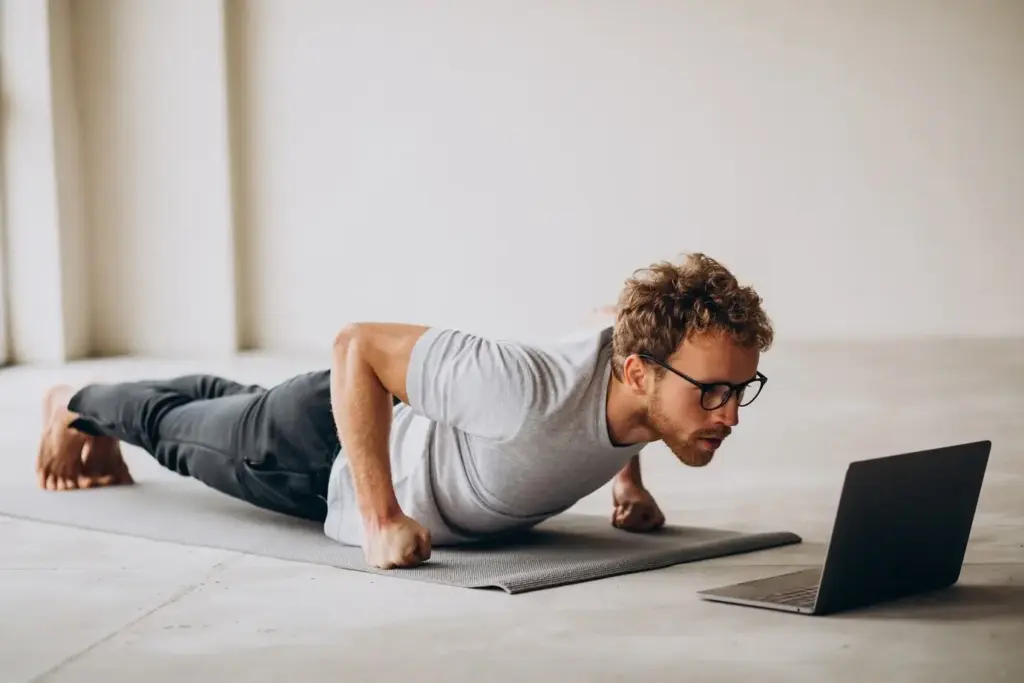
Place palms on the wall at shoulder height, step back, and keep a straight line from head to heels. Lower for three counts, pause one, press for one. Climb a ladder of reps, rest briefly, then repeat. Track angle changes weekly to increase challenge, and post your progress photos to inspire others.

Wall Slides and Angels for Scapular Control

Stand with back, head, and ribs softly touching the wall, elbows bent, forearms vertical. Slide arms up while keeping shoulders away from ears, then sweep outward like gentle snow angels. This strengthens upward rotation and posture. Start slow, exhale through sticky points, and celebrate the first day your ribcage stays quiet and steady.

Handstand Prep and Shoulder Tap Progressions

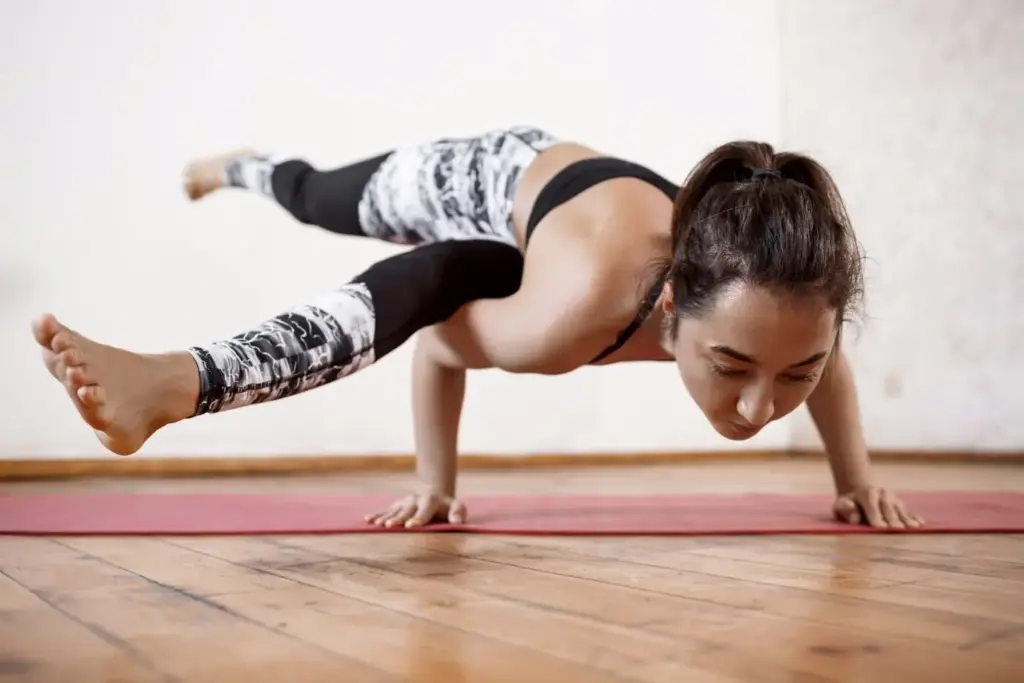
Face the wall with hands on the floor and feet walking up only as high as confidence allows, even a small incline. Stack hips over shoulders gradually, press the floor, and tap one shoulder at a time. Accumulate short, crisp sets. Your balance and overhead stability will surge without needing a single dumbbell.

Upper-Body Power Against the Wall

Angles turn the wall into a strength amplifier. Adjust foot distance to change loading, then progress with controlled tempos and isometric holds. You will build chest, shoulders, and back strength while protecting wrists and maintaining excellent scapular control, all inside a space no wider than a yoga mat.

Lower-Body Strength with a Chair

A single chair unlocks serious leg training. Control depth, tempo, and unilateral work to build resilient glutes, quads, and hamstrings. Prioritize knee alignment over the second toe, maintain proud posture, and use the chair for support, elevation, or depth reference to drive consistent gains in tight quarters.

Tempo Sit-to-Stands with Reach

Plant feet hip-width, hinge slightly, and sit back under control for three counts. Briefly hover, then drive up and reach forward to counterbalance. Pause standing tall before the next rep. Adjust chair height with books to scale difficulty. Film one set weekly to check depth, posture, and knee tracking as strength climbs.

Rear-Foot Elevated Split Squats

Place shoelaces on the chair seat behind you, step forward until hips feel stacked and balanced. Drop straight down, keep the front knee tracking, and press through the whole foot. Start with shorter ranges, then deepen. Time-under-tension beats heavy weights in small rooms when technique, breathing, and consistency are truly dialed.

Core Stability Without Floor Space

Wall Plank Walks and Sawing Shifts

Place forearms on the wall, step back, and create a rigid line. Walk elbows up and down two bricks of height, then shift your body forward and back like a gentle saw. Keep ribs tucked and glutes lightly engaged. Start with smooth sets, chase quality, and notice your shoulders grow both stable and tireless.

Chair-Supported Dead Bug Flow

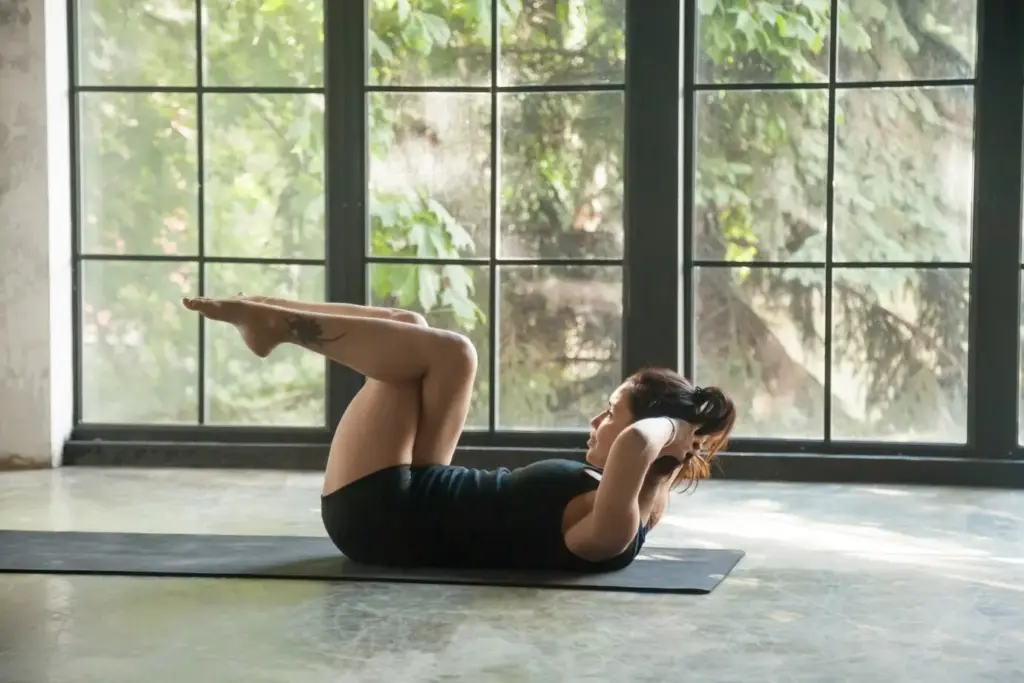
Lie on the floor with calves resting on the chair seat, or sit tall and mimic the pattern if floor space is scarce. Press hands into thighs, exhale to brace, and alternate reaching opposite arm and leg. This teaches spinal control, breathing coordination, and everyday stability that makes groceries, stairs, and laptops feel lighter.

Wall Sit Breathing and Anti-Rotation Reach
Slide into a wall sit at a manageable depth, feet planted, knees steady. Inhale through the nose, exhale slowly through pursed lips, and reach a lightweight or water bottle from side to side without twisting the torso. Your thighs will burn while your core resists rotation, building honest, transferable strength for life’s twists.

Sequencing That Works in Ten Minutes

Blend wall and chair moves into crisp circuits that respect lunch breaks, late evenings, and noisy neighbors. Use ladders, EMOMs, and tri-sets to stack volume without chaos. Progress by changing angles, tempos, holds, and rest. Small rooms reward focus; the right sequence turns minutes into measurable, motivating improvements.

Level Up with Angles and Levers

Increase wall push-up difficulty by stepping a shoe-length farther, or shifting to fingertips for brief holds. Deepen split squats by lowering the back knee an extra centimeter. Extend lever arms in dead bug variations. These refined tweaks feel subtle yet deliver profound results. Share your favorite progression so others can learn alongside you.

Track Wins You Can Feel

Record the day your first strict wall-slide set stays rib-quiet, or when your wall sit crosses sixty seconds. Note morning energy, steadier posture at your desk, and easier stair climbs. Tangible, lived wins reinforce training more than charts. Comment weekly with one success, however small, to spark collective momentum.

Stories from Small Rooms

A reader in a studio apartment rebuilt shoulder strength after a move by practicing ten daily wall angels, then graduating to handstand prep. Another measured progress by replacing dinner scrolling with a five-minute EMOM. Their secret was not space or equipment, but friendly structure and relentless, compassionate consistency that invites repetition.

Recovery, Mobility, and Care

Training lands best when recovery supports it. Protect joints with gentle mobility bookends, downshift stress with nasal breathing, and stretch where you feel tight, not where you look stiff. Short, reliable rituals keep effort sustainable, reduce soreness, and make tomorrow’s session feel inviting instead of heavy or intimidating.
Mekikamukipomixononave
Privacy Overview

This website uses cookies so that we can provide you with the best user experience possible. Cookie information is stored in your browser and performs functions such as recognising you when you return to our website and helping our team to understand which sections of the website you find most interesting and useful.