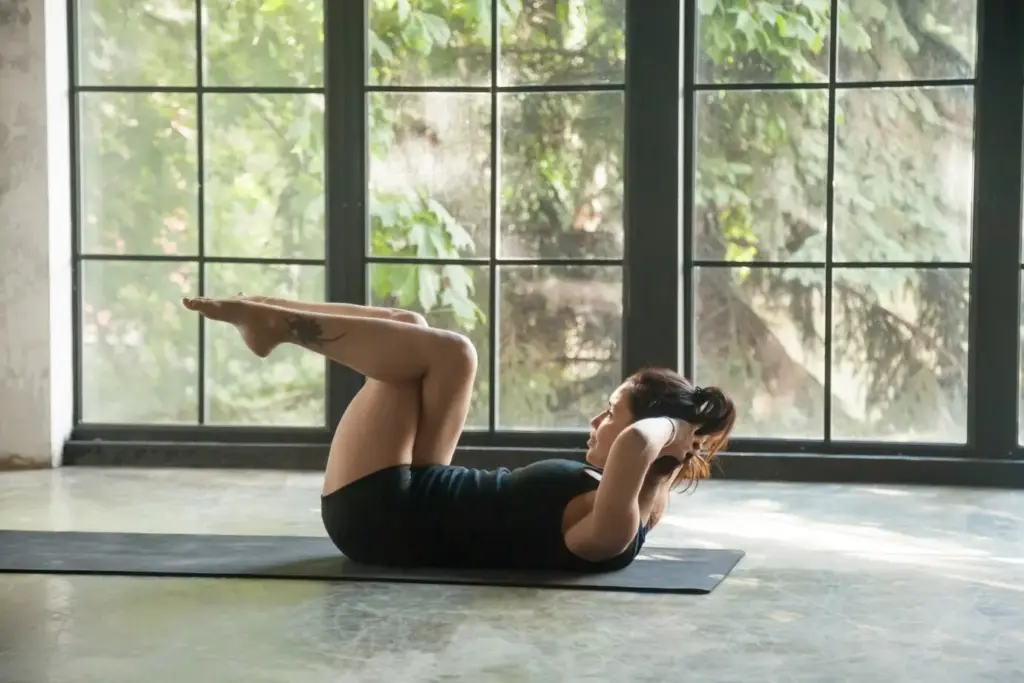
Strong and Silent: Floor-Only Workouts for Apartment Harmony

Today we focus on floor-only strength workouts designed to keep peace with downstairs neighbors while still building muscle, stability, and confidence. Expect slow tempos, controlled transitions, strategic isometrics, and thoughtful equipment choices that reduce impact and echo. You will learn how to structure full-body sessions, breathe for power, and progress safely without jumps or drops. Whether you train at dawn or after work, these methods protect relationships, respect quiet hours, and deliver real results you can feel in posture, lifts, and daily energy.

Mat Setup and Noise-Proofing Essentials

A supportive mat acts like your silent training partner. Layer a dense foam mat over a thick rug, or use interlocking tiles under a yoga mat to absorb vibrations and edge creaks. Place a folded towel beneath elbows and knees to soften pressure. If you use bands, anchor low and pad contact points to prevent snapping sounds. Keep a small towel for sweat so no dripping causes slip or thud. Tiny adjustments here dramatically reduce echo and keep neighbors happy.

Breathing and Tempo for Strength Without Impact

Breath controls noise and force. Inhale through the nose to fill the ribcage laterally, brace gently as you initiate the lift, then exhale slowly during the hardest portion to maintain control. Use a 3–1–3 tempo: three seconds down, a one-second pause, three seconds up. This pace minimizes sudden contact with the floor and deepens muscle engagement. Pair steady breathing with smooth transitions between exercises, and you will feel stronger, more stable, and far quieter with every set.

Total-Body Floor Circuits That Whisper

Quiet circuits rely on intelligent sequencing: upper body, core, lower body, then an isometric finisher. Work at a moderate rate of perceived exertion while using slow tempos and brief pauses. Three to four rounds can fit within thirty minutes without sacrificing results or peace. When I trained above a newborn’s room downstairs, these circuits helped me gain visible strength without a single complaint. You will build resilience, reinforce technique, and finish energized rather than rattling the building.

Push Series: Prone Pressing Without A Sound

Choose controlled push-up variations that keep your torso stable and your hands quiet. Try hand-release push-ups to encourage clean floor contact and tension rather than bouncing. Archer or pseudo-planche leans add intensity without impact, while slow eccentric reps maximize stimulus. Keep shoulders packed, elbows at about forty-five degrees, and core braced. If wrists get cranky, elevate palms on yoga blocks to distribute pressure. Focus on gliding, not dropping, and finish with a calm, easy transition to the next movement.

Pull Series: Towel and Band Rows on the Ground

No pull-up bar needed. Loop a band around a sturdy, low anchor point or shut it carefully in a door with a protective wedge. Sit tall on the floor, row with shoulder blades first, then arms, pausing to feel tension. For minimal equipment, use a strong towel under your feet for isometric rows by pulling while resisting movement. Keep the spine long, ribs down, and wrists neutral. Each quiet pull teaches stable posture and dependable back strength without a single clatter.

Core Training That Respects Quiet Hours

Dead Bug Progressions for Deep Control

Lie on your back with knees and hips at ninety degrees, arms reaching to the ceiling, and lower ribs gently tucked. Slowly extend opposite arm and leg while maintaining contact through the lower back without forceful pressing. Progress by adding a light band overhead or a small stability pad under the low back for tactile feedback. Breathe evenly, exhaling through the hardest portion. The movement stays almost silent while teaching coordination, reflexive bracing, and the kind of core strength that steadies every lift.

Side Plank Variations for Apartment Walls

Side planks build lateral stability with minimal noise. Start on the forearm with knees bent, then progress to stacked feet or a star position. Place a folded towel under your elbow to cushion pressure and reduce squeaks. Keep hips high, ribs down, and head long. Try controlled hip taps, moving barely enough to feel deep tension without creating a thud. Thirty to forty-five seconds per side builds endurance that carries into squats, presses, and daily tasks without disturbing your downstairs neighbors.

Anti-Rotation Drills with Minimal Equipment
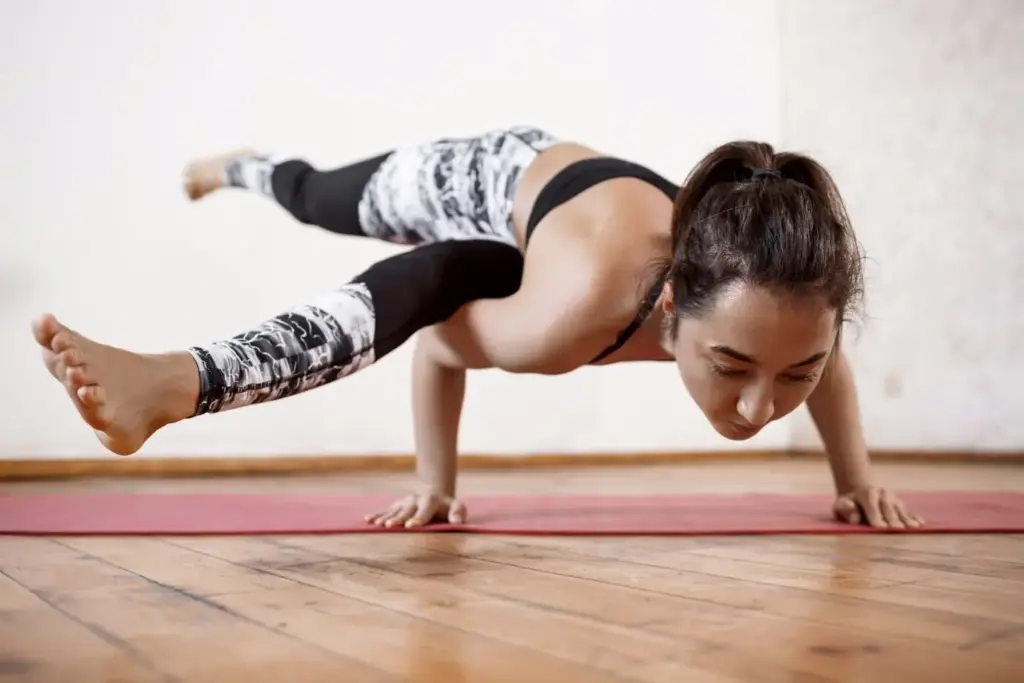
Use a light band anchored low and kneel perpendicular to it. Press the handle straight out in front, resisting the band’s pull without twisting. Hold, breathe, and feel the obliques kick on. Progress by moving farther from the anchor or pressing on a slow tempo. Keep shoulders stacked and hips square to the room. This quiet challenge trains your trunk to say no to unwanted motion, protecting your spine while keeping the room still and the building calm.

Lower Body Strength Without Stomping

You can build powerful legs without a single loud step by emphasizing static positions, micro-range pulses, and deliberate holds. Favor movements that root you to the floor: split squats, bridges, and lateral sequences done slowly. Add bands to create tension rather than speed. Keep transitions graceful and focus on foot pressure—big toe, little toe, heel—to build stability from the ground up. Your legs will burn, your hips will stabilize, and your neighbors will barely notice a thing.

Upper Body Strength Grounded in Control

Quiet upper-body training thrives on scapular rhythm, smooth floor contact, and intentional resistance. You will explore pressing, rowing, and shoulder activation without any drops or clangs. If you use weights, choose rubber-coated dumbbells and set them down softly on a padded surface. Prefer bodyweight or bands? Move slowly and breathe steadily. Expect better posture, healthier shoulders, and thicker backs from consistent, whisper-quiet practice that respects your space and builds the kind of strength that lasts beyond the workout.

Scapular Mechanics with Gentle Floor Drills

Start with scapular push-ups, moving only the shoulder blades while keeping elbows straight and ribs quiet. Then lie prone and practice Y, T, and W raises, lifting lightly and holding the top position. Place a thin towel under your forehead for comfort and sound dampening. Maintain long neck and soft jaw to reduce tension. Each slow lift strengthens postural muscles that stabilize everything from push-ups to carries. Enjoy the calm focus, and set down between sets as if lowering a feather.

Floor Press and Isometric Holds for Silent Strength

Lie on your back with elbows at forty-five degrees, press dumbbells or a band upward with steady breath, and pause softly before lowering for three controlled seconds. If you lack weights, push palms into the floor or a towel for strong isometric tension. Keep shoulder blades lightly retracted and wrists neutral. Set equipment down onto a padded mat without tapping. This quiet approach builds pressing power, teaches shoulder stability, and leaves no trace of noise beyond your even breathing.

Deltoid and Back Activation Without Clatter

Activate shoulders and upper back using prone swimmers, slow band pull-aparts while lying, and serratus punches with a controlled reach. Focus on long arms, smooth arcs, and intentional pauses at end ranges. If bands squeak, wrap the handles with cloth or hold the tubing directly. Keep ribs anchored and breathe behind the brace. These thoughtful touches enhance mind–muscle connection, improve overhead mechanics, and cultivate a calm training rhythm that rewards focus rather than forceful, noisy movement.

Recovery, Scheduling, and Neighborly Communication
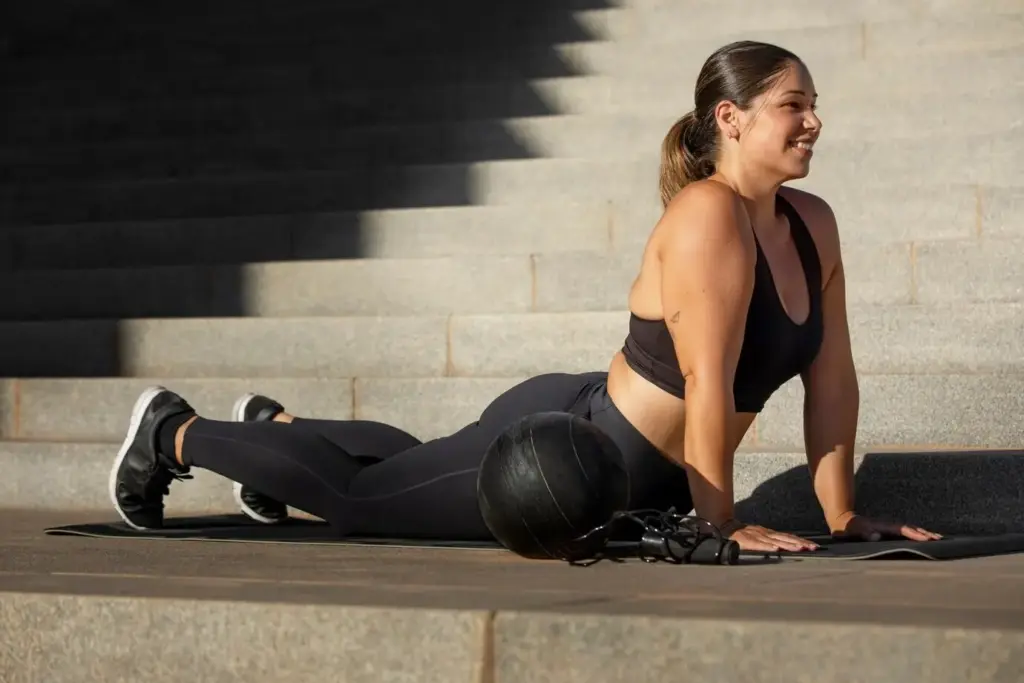
Consistency grows when your routine fits building rhythms and your body recovers well. Program sessions during typical daytime hours when possible, and let neighbors know you are using low-impact methods. Slow cooldowns, gentle mobility work, and breath-led relaxation help you adapt without soreness or stress. A quick message in the building chat can open friendly feedback loops. Over time, you will lift stronger, feel better, and maintain a peaceful environment that benefits everyone who shares your floors and walls.

Quiet Cooldowns That Actually Build Strength

Finish with long exhales and ninety–ninety breathing to shift your nervous system toward recovery. Add gentle hip flexor stretches and thoracic rotations performed slowly on a mat, using a towel to soften contact points. Avoid dropping limbs or snapping bands. Light self-massage with a soft ball or cushioned roller can release tension without thudding. This calm ritual cements your training, reduces next-day stiffness, and reinforces the quiet habits that let you keep progressing week after week in comfort.

Planning Sessions to Fit Building Rhythms
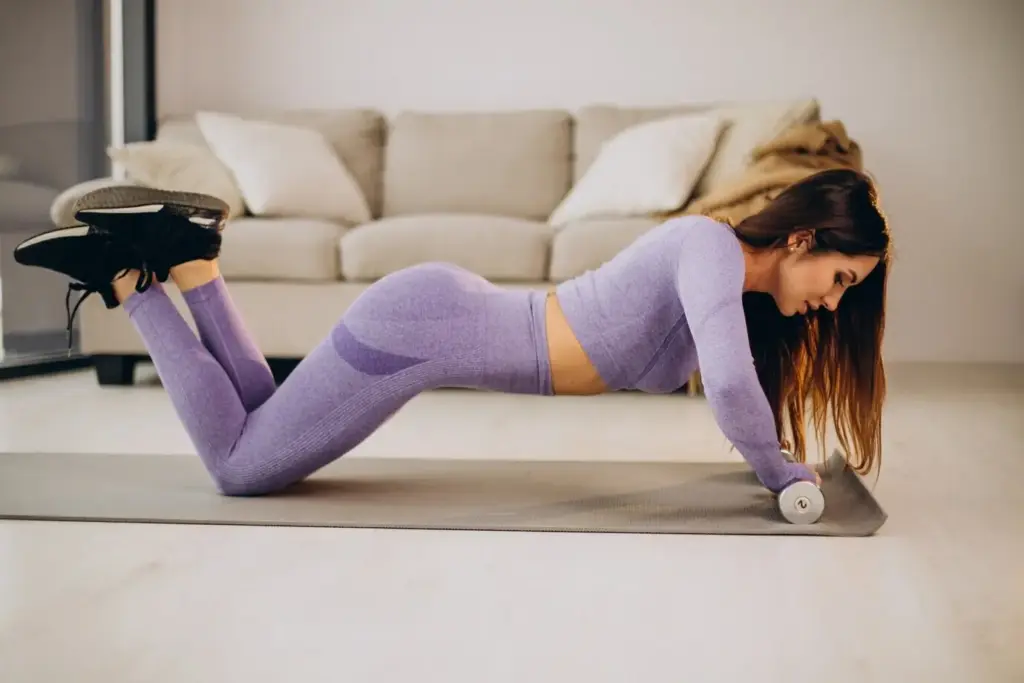
Map your workouts to the building’s natural noise windows, like early evenings or weekend mid-mornings. Keep a simple log noting exercises, durations, and any sounds you notice. Place equipment gently and wear socks for quiet traction. Remind yourself to transition slowly between positions. If a certain drill echoes, swap it for a quieter variation. These small planning steps preserve goodwill, simplify consistency, and ensure your training never competes with someone else’s rest, work call, or nap time.

Building Friendly Habits with the People Below

A quick, friendly note goes a long way: mention you focus on low-impact floor sessions and ask if any sounds carry. Offer to adjust timing if needed and share your preferred training windows. Check in after a week to confirm improvements. Gratitude and flexibility turn potential friction into cooperation. You will feel more relaxed, neighbors will appreciate the respect, and your training can continue to evolve without stress, supported by a community that understands and values your effort.
Mekikamukipomixononave
Privacy Overview

This website uses cookies so that we can provide you with the best user experience possible. Cookie information is stored in your browser and performs functions such as recognising you when you return to our website and helping our team to understand which sections of the website you find most interesting and useful.