Quiet Power, Anywhere

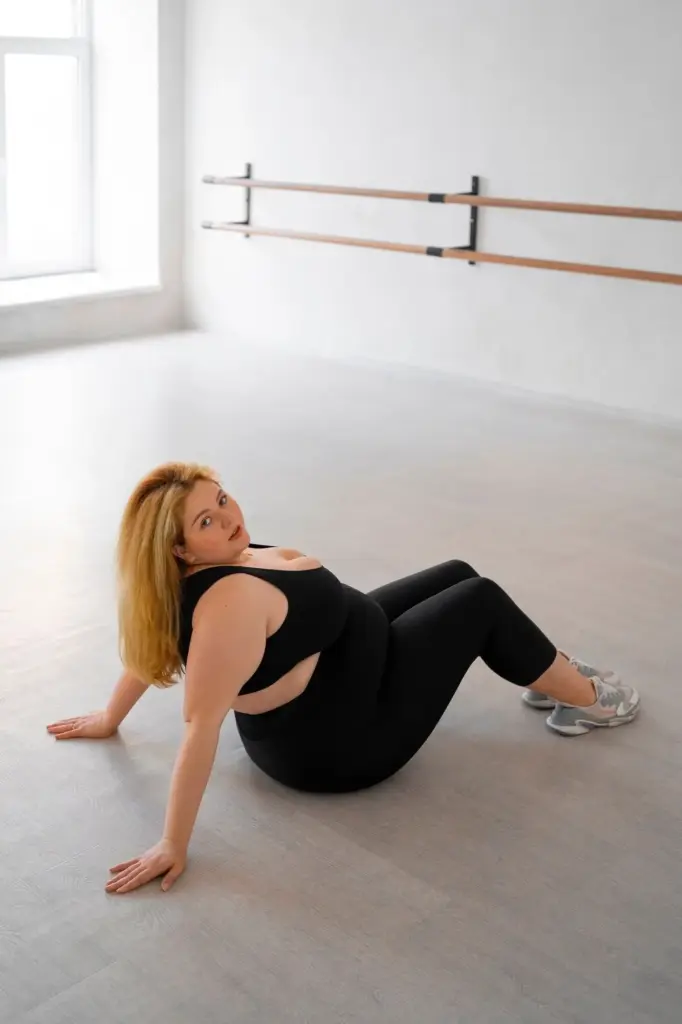
Welcome to a practice that builds strength without stomps, shouts, or heavy equipment. Today we focus on Silent Small-Space Strength Flows, a demanding yet soothing approach that threads controlled breathing, precise alignment, and slow tempos into compact sequences that fit studio apartments, dorm rooms, office corners, and hotel hallways. Expect deep muscle engagement, respectful quiet, and surprising endurance gains, all while moving with intention, protecting neighbors’ peace, and honoring your body’s rhythm for sustainable, confident progress.

Alignment You Can Feel, Not Hear

Picture a string lifting the crown of your head as your ribs knit gently downward and your pelvis levels like a calm horizon. Press the floor quietly with your big toe, pinky toe, and heel, spreading weight evenly. This silent tripod anchors squats, hinges, and push sequences. Add light wall contact to guide shoulder blades and keep your neck long. When posture leads, strength follows without creaks, hops, or unnecessary force.

Breath-Driven Stability

Use a nasal inhale to widen your ribcage, then a slow, purse-lip exhale to cinch the waist and anchor your core. This subtle brace converts breath into stability for pushing, pulling, and squatting in tiny spaces. Each exhale becomes a whispering spotter, enhancing trunk tension without belts or grunts. Over time, breathing precision reduces wobble, sharpens control, and lets you flow with strength while neighbors continue reading in peace.

Tempo and Time Under Tension

Slow tempos—think three seconds down, a patient pause, and three seconds up—build muscle without heavy loads or noisy landings. Time under tension amplifies stimulus while keeping joints honest and movements quiet. Eccentric control teaches resilience; pauses sharpen awareness; steady ascents cultivate discipline. Your living room becomes a laboratory where silence partners with strength, replacing clanging plates with the satisfying hush of deliberate, powerful, repeatable motion.

Space-Savvy Setup and Safety

Create a training zone the size of a yoga mat and a chair, then refine it with smart surfaces and thoughtful positioning. Choose a firm but forgiving mat, anchor near a wall for reference, and park a sturdy chair for inclined presses or supported splits. Test the floor’s grip, check headroom, and ensure pathways are clear. Safety thrives when equipment stays quiet, movement remains controlled, and your setup invites focus without distraction.

Signature Flow: Morning Wake and Prime

Begin your day with a concise sequence that activates major movers without rattling your space. A diaphragm-first breath set, controlled cat-camel, wall squat hold, incline push variation, and split squat with an isometric pause establish calm power. Each move layers stability, range, and strength while staying neighbor-friendly. Ten unhurried minutes gently raise your temperature, sharpen focus, and set a cadence of quiet competence that carries into meetings, commutes, and conversations.

Progression Without Clatter

You can build serious strength quietly by manipulating tempo, leverage, density, and isometric intent. Extend pauses, slow descents, and lengthen limbs to raise difficulty without extra load or volume. Shift to unilateral patterns for intensified demand in the same footprint. Progression becomes a thoughtful dial rather than a noisy switch, empowering you to thrive within constraints while steadily expanding capability, confidence, and composure through incremental, measurable, neighbor-safe challenges.

Levers, Angles, and Pauses

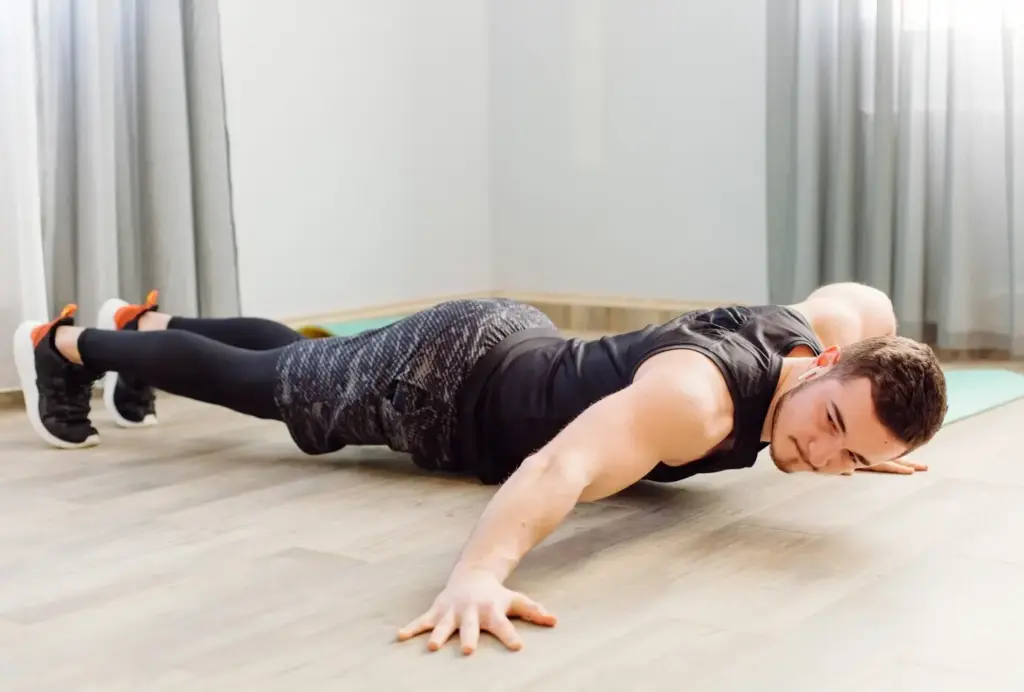
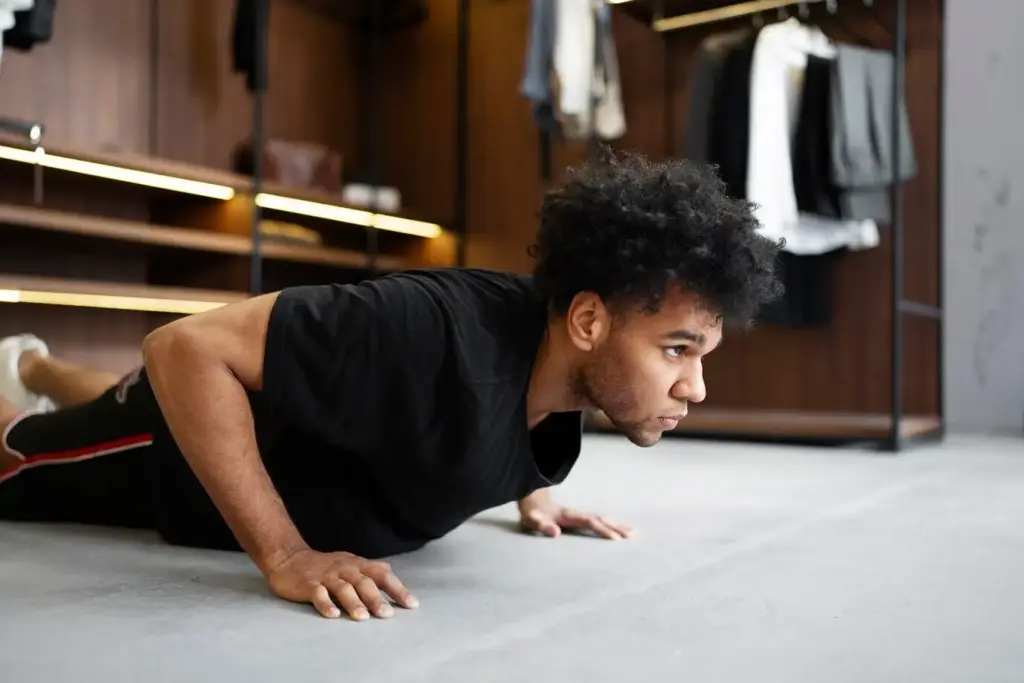
Increase incline push-up difficulty by lowering the support surface and tightening the pause near the bottom. For squats, extend your arms forward to lengthen the lever, then hover just above parallel for an extra heartbeat. In hinges, reach hips further back while keeping shins quiet and vertical. These tidy adjustments amplify mechanical tension immediately, preserving silence while making your muscles work harder in precisely controlled ranges that respect joints and flooring.

Density That Respects Silence

Shorten rest intervals slightly or add a steady EMOM cadence to raise training density without changing exercises. Keep breaths smooth and transitions graceful to avoid rushed steps or dropped gear. As density climbs, monitor form like a hawk, using checklists and gentle floor contact to maintain quiet. The reward is a strong cardiovascular stimulus layered onto strength practice, all achieved within a graceful, low-decibel rhythm that feels focused and meditative.

Strength for Stressful Days

When schedules fray or emotions run hot, quiet flows become an anchor. Slow breathing tames tension while steady holds channel restlessness into productive effort. Choose two or three moves, set a soft timer, and let repetition settle your mind. By the end, shoulders drop, jaw unclenches, and your heartbeat finds rhythm again. This practice turns tiny rooms into sanctuaries where strength and serenity collaborate during the roughest hours.

Anecdote: The Elevator Delay Workout

On a frantic Thursday, the elevator stalled and meetings stacked. Instead of stewing, a reader set a five-minute flow: wall angels, slow counter push-ups, and a steady wall sit. Neighbors barely noticed; anxiety melted. He returned calls with clearer tone and kinder words. Later, he wrote that the quiet effort felt like a reset button, proving small, calm strength can rescue even the messiest urban mornings with dignity and grace.

Nervous System Soothers

Blend box breathing with slow, closed-chain movements like wall presses and glute bridges. Keep gaze soft, tongue relaxed, and exhales longer than inhales to nudge the parasympathetic system. Avoid explosive reps when frazzled; choose isometrics and measured eccentrics instead. As tension ebbs, finish with gentle neck nods and ankle rolls. This compassionate cadence preserves energy, protects joints, and restores mood while reinforcing technique for future sessions that demand more intensity.

Micro-Habits and Prompts

Attach flows to everyday moments: a wall sit while coffee drips, calf raises during file downloads, and controlled hinges after long calls. Keep a checklist on the fridge so tiny wins stack visibly. Use a quiet vibration reminder, then mark completion with a single deep breath. These micro-habits maintain continuity when motivation dips, keeping your practice alive through momentum, not pressure, and building confidence one silent repetition at a time.
Simple Metrics That Matter

Track time under tension, total holds per session, and nasal-breath consistency. Jot down a single cue that worked well, like “heels heavy” or “ribs quiet,” and one refinement for next time. Monitor effort using an honest scale and keep session notes concise. Over weeks, patterns emerge that guide smart progressions, reduce guesswork, and keep your training grounded in reality rather than wishful thinking or overly complex spreadsheets.

Weekly Rhythm Builder

Design a repeatable pattern: calm full-body flow on Monday, lower-body emphasis on Wednesday, upper-body and core on Friday, and a gentle mobility circuit on Sunday. Keep moves familiar, progress smoothly, and leave space for life’s curveballs. When energy dips, favor isometrics and slower tempos. When you feel robust, lengthen sets or add a measured density block. This rhythm supports consistency, protects enthusiasm, and respects the hush your space deserves.

Join the Conversation

Tell us which sequence soothed your day, which cue unlocked better control, or how you adapted a move to fit your hallway. Ask questions, request breakdowns, and share videos if comfortable. Subscribe for new quiet flows, seasonal challenges, and gentle accountability nudges. Together we refine techniques, exchange creative solutions, and keep the practice thriving—strong, considerate, and calm—no matter how small the room or how busy the calendar becomes.

Mekikamukipomixononave
Privacy Overview

This website uses cookies so that we can provide you with the best user experience possible. Cookie information is stored in your browser and performs functions such as recognising you when you return to our website and helping our team to understand which sections of the website you find most interesting and useful.